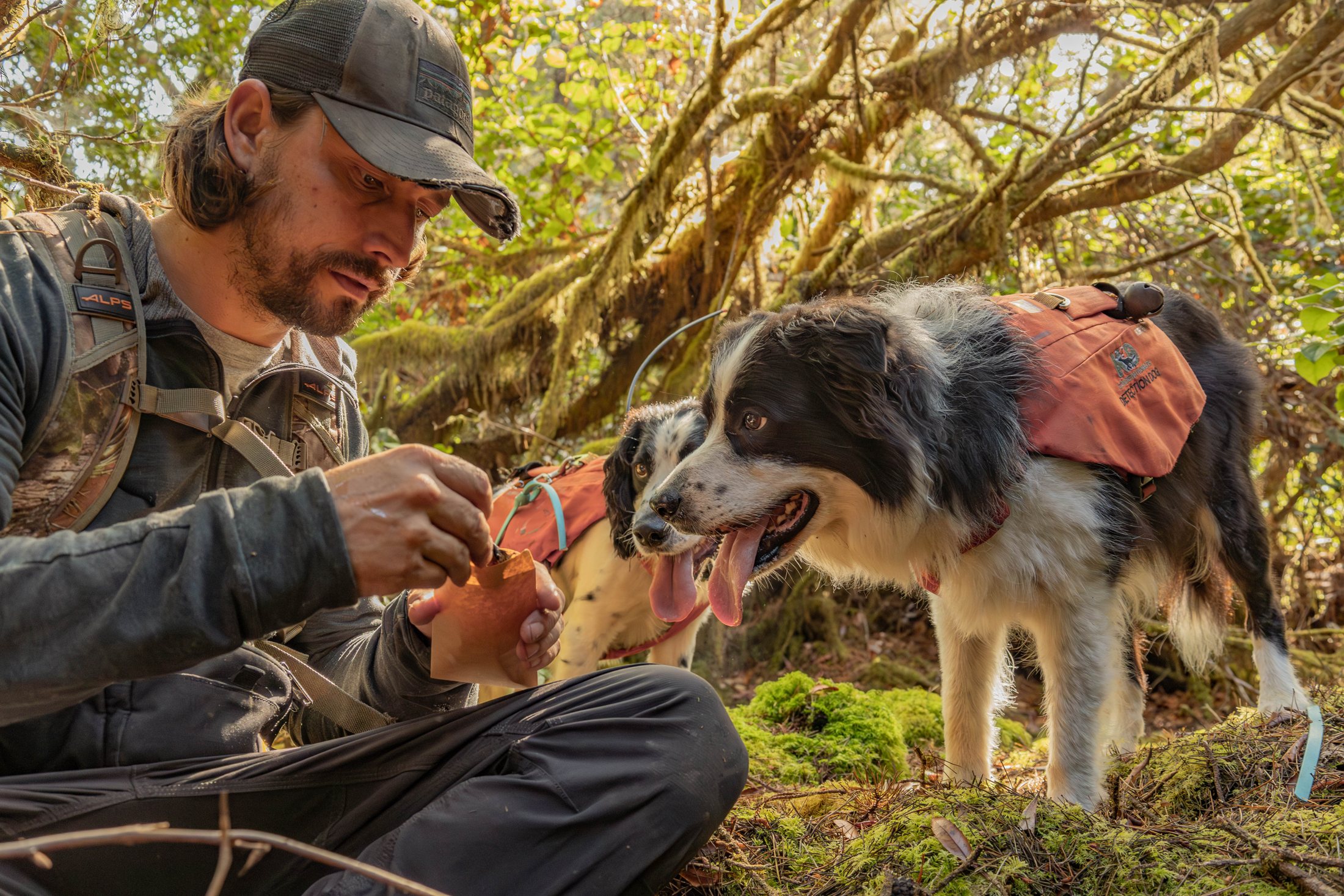
A field researcher bags a scat sample while two scent-detection dogs look on in mossy coastal forest
Twining Applied Quantitative Ecology Lab · Oregon State University

Counting what is hard to count.

Population ecology for wildlife, and for the people who manage it.

Detection-dog survey for coastal marten · Oregon coast
Corvallis, Oregon · 44.56° N 123.28° W Where we work · Oregon Coast · Southern Oregon · Willamette Valley · Umpqua · N. California · Brazil How we work · Spatial capture–recapture · Occupancy · Distance sampling · Biologging · Bioacoustics · eDNA
What we do

Applied science where wildlife, people and place meet.

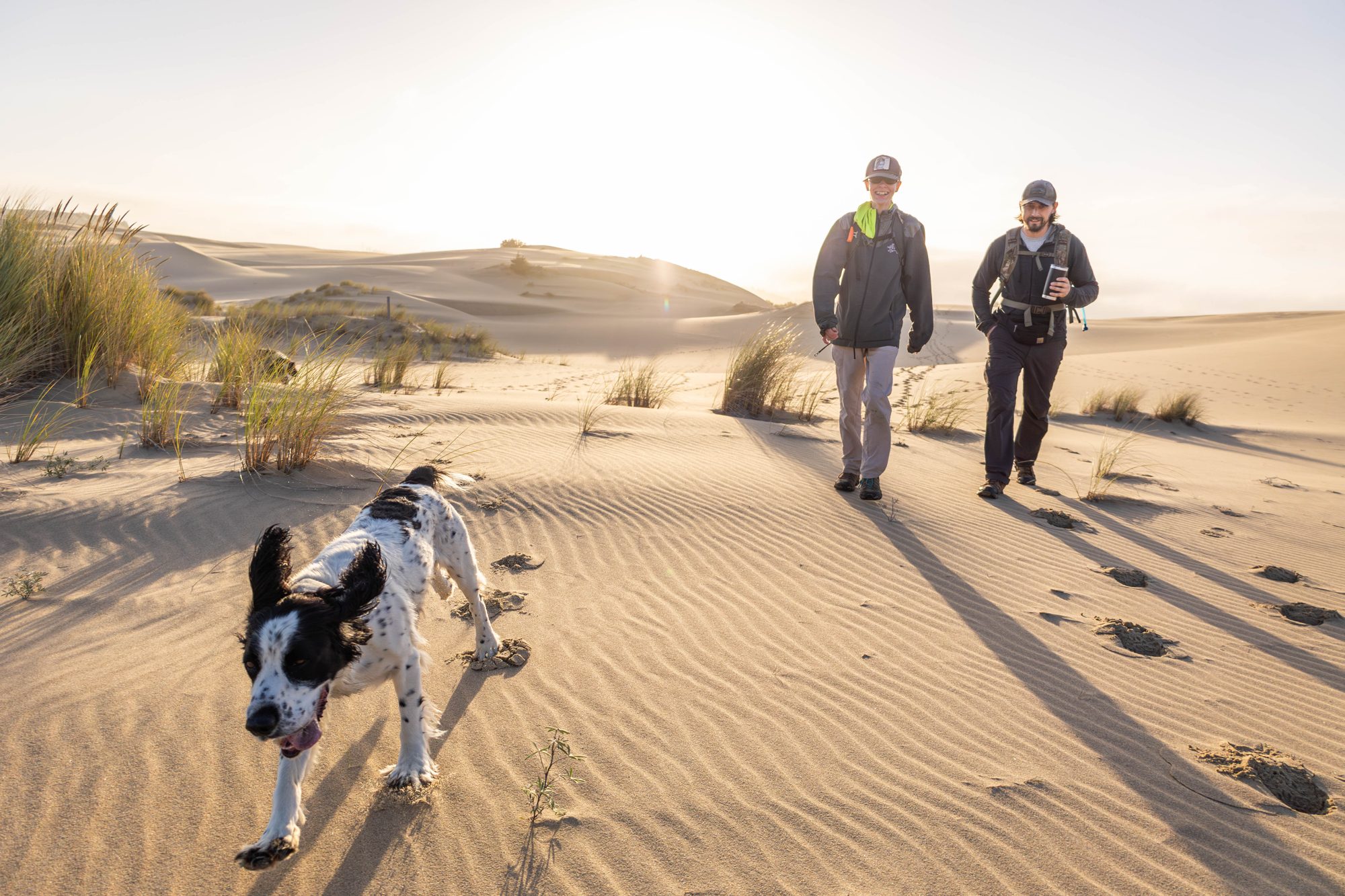
Two researchers and a scent-detection dog walking across the Oregon Dunes at sunrise, leaving a line of tracks
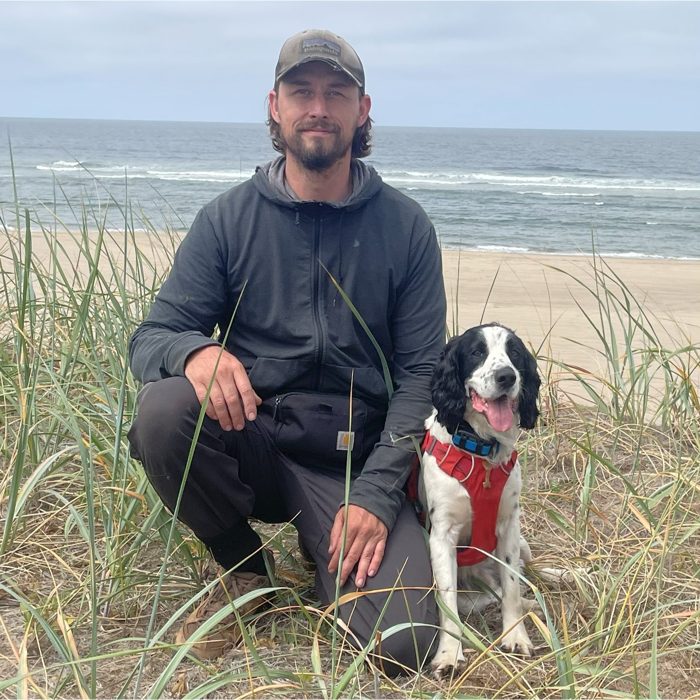
Surveying the Oregon Dunes for coastal marten

Most of the animals that matter to conservation and management are hard to see. They are nocturnal, wide-ranging, rare or simply small, and the decisions made about them are only as good as the estimates behind them.

We are a research group in the Department of Fisheries, Wildlife, and Conservation Sciences at Oregon State University, and we work on both halves of that problem. In the field, we run studies of carnivores, small mammals and birds across Oregon and beyond, using remote cameras, scent-detection dogs, GPS collars and biologging tags, acoustic recorders, live-trapping and DNA collected without ever handling an animal.

At the desk, we develop and test the statistical models that turn those data into defensible answers: how many animals there are, where they are, how they interact, and whether a monitoring programme could even detect a change if one happened.

Nearly everything we do is designed with the agencies, growers and forest managers who will use the results. The best questions come from real problems, and the best answers are the ones that get used.

See the projects
Why it matters

Good decisions need good data

Wildlife management runs on estimates. When they are wrong, or missing, the costs fall on species and on people.

Rare species cannot wait

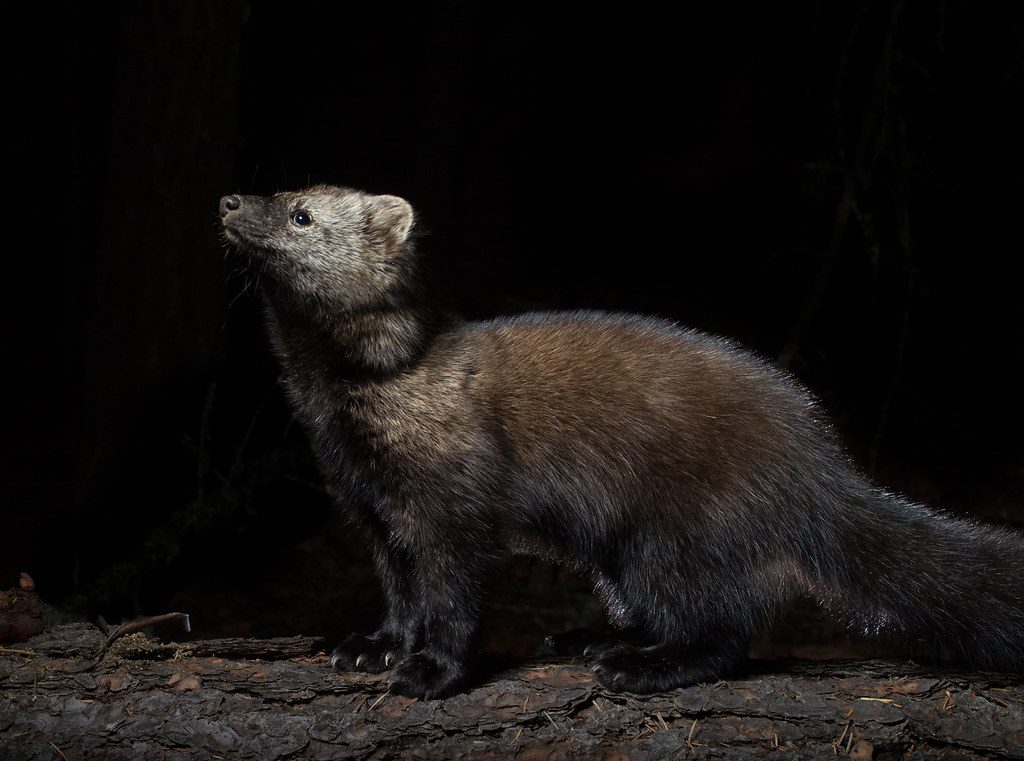
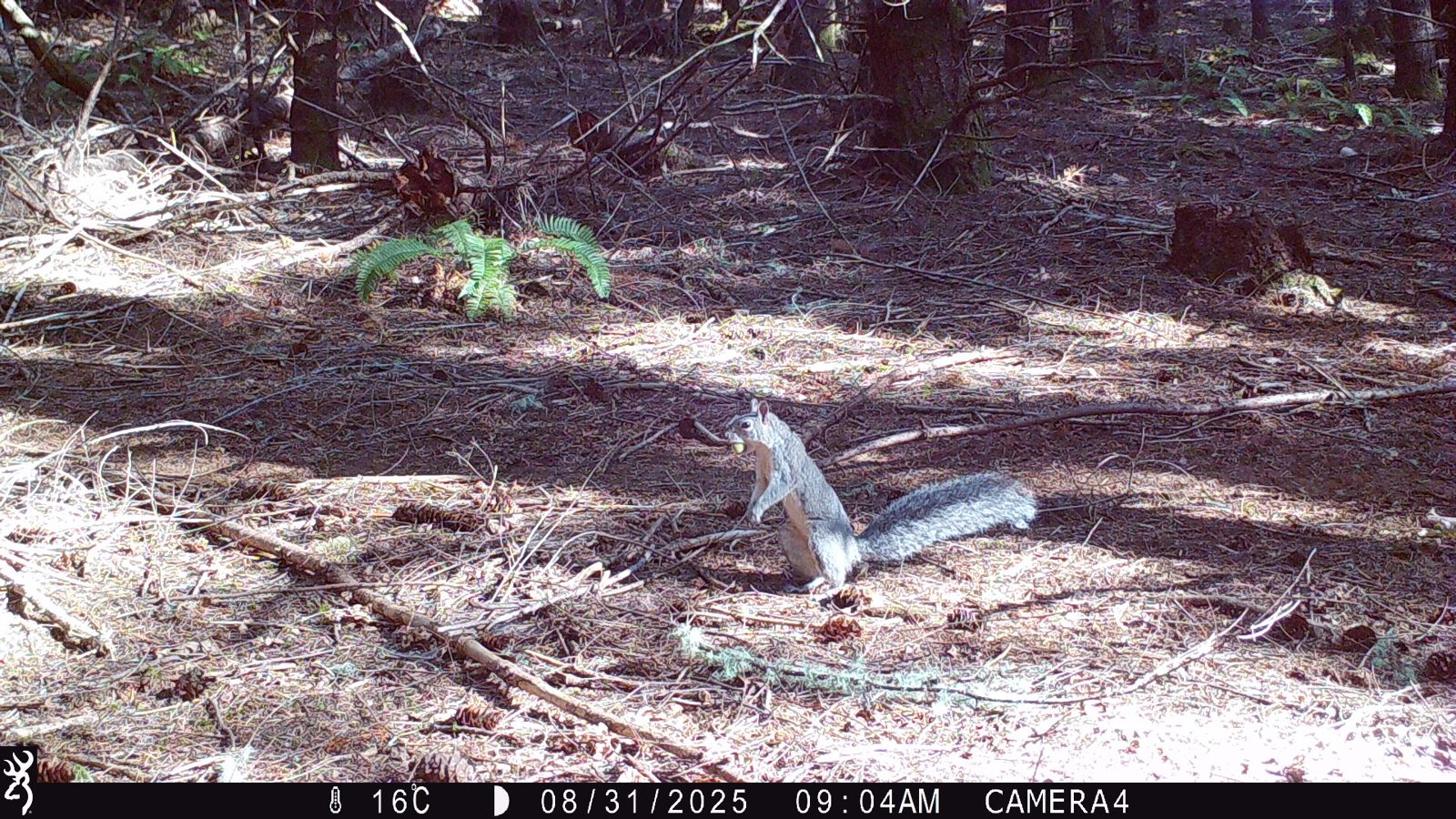
Coastal martens persist in a handful of small populations. Western gray squirrels are declining. Recovery plans for species like these depend on knowing how many animals remain and whether numbers are rising or falling, and on finding out in time to act.

People live with wildlife

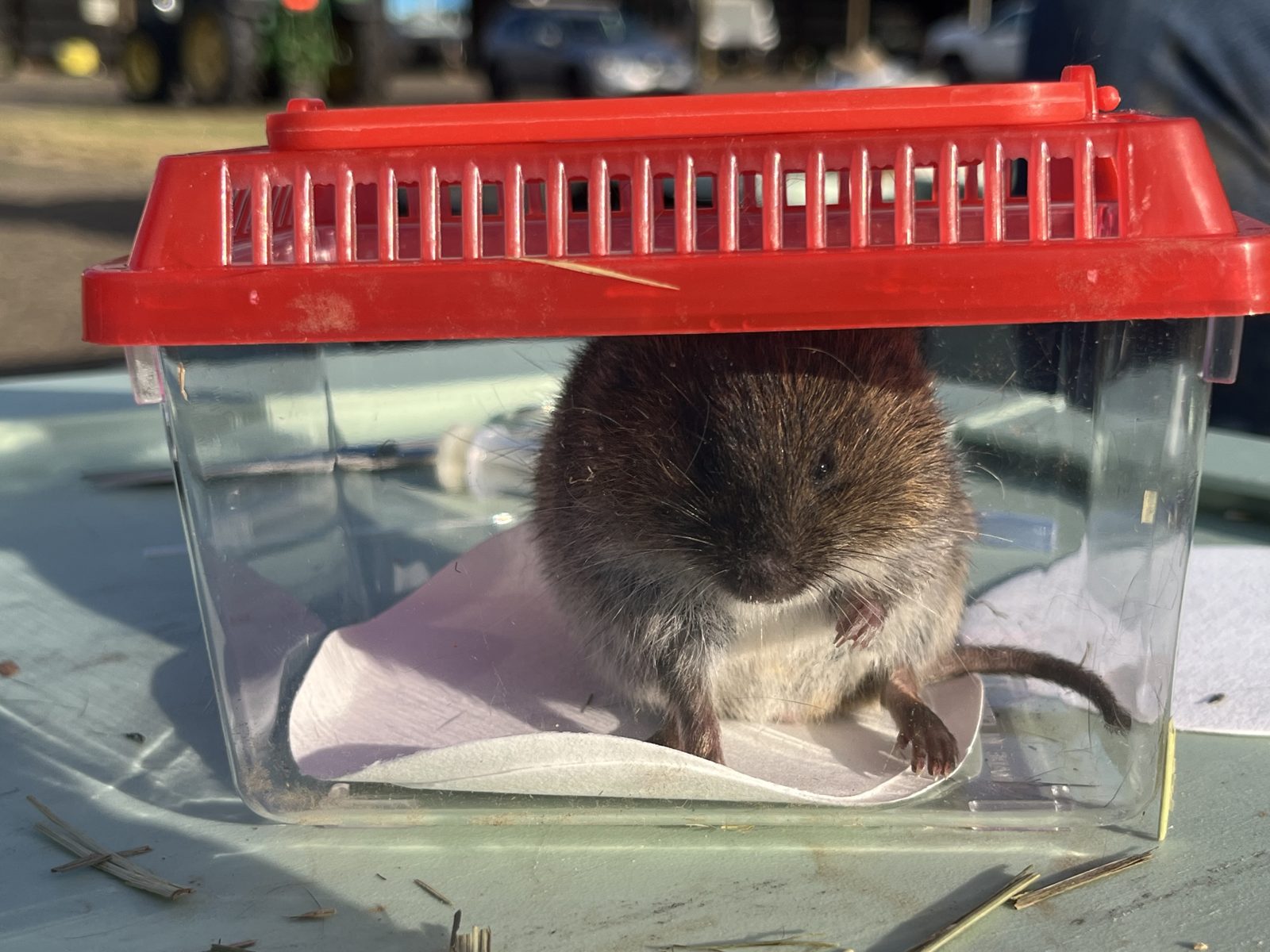
In outbreak years, gray-tailed voles strip crops across the Willamette Valley. After wildfire, forest managers must choose what to do with burned stands. We work with the people facing those choices so that the science answers the questions they actually have.

Methods shape conclusions

Every estimate is a model's reading of imperfect data. We test the tools ecologists rely on against simulated truth, and build better ones, so that agencies can trust the numbers they act on and afford to collect them.

From our cameras

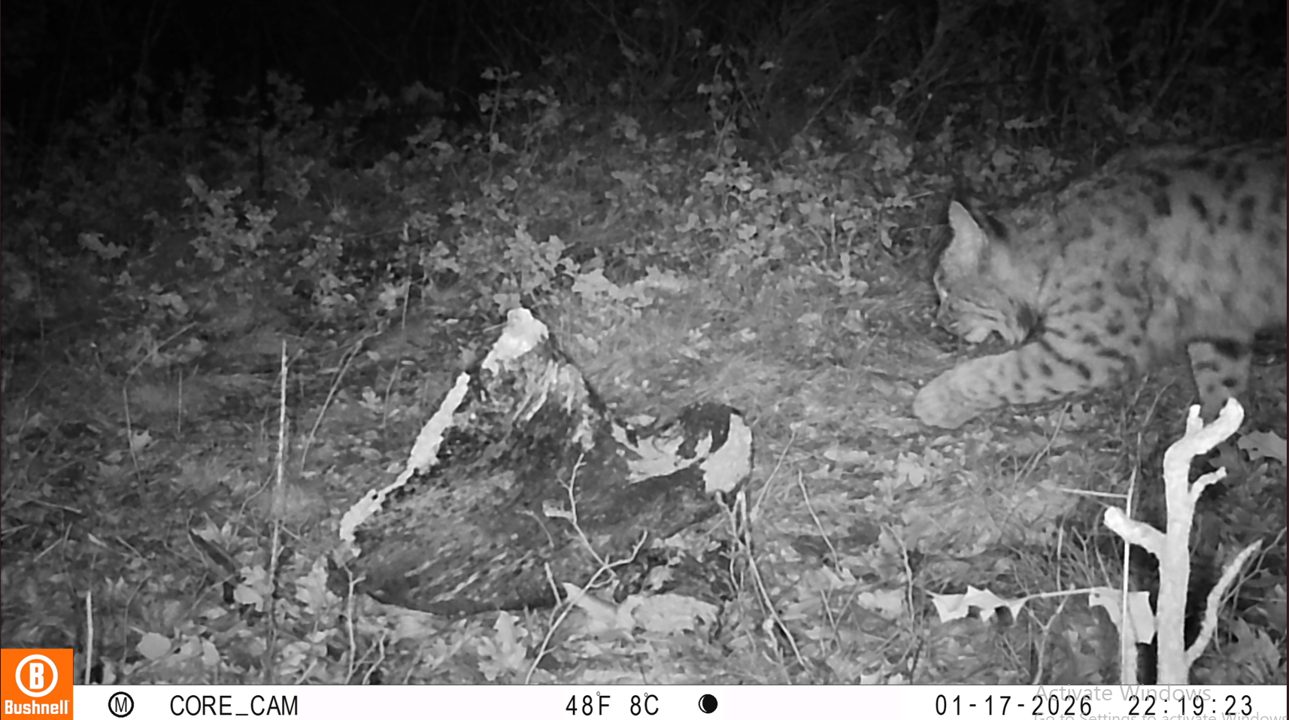
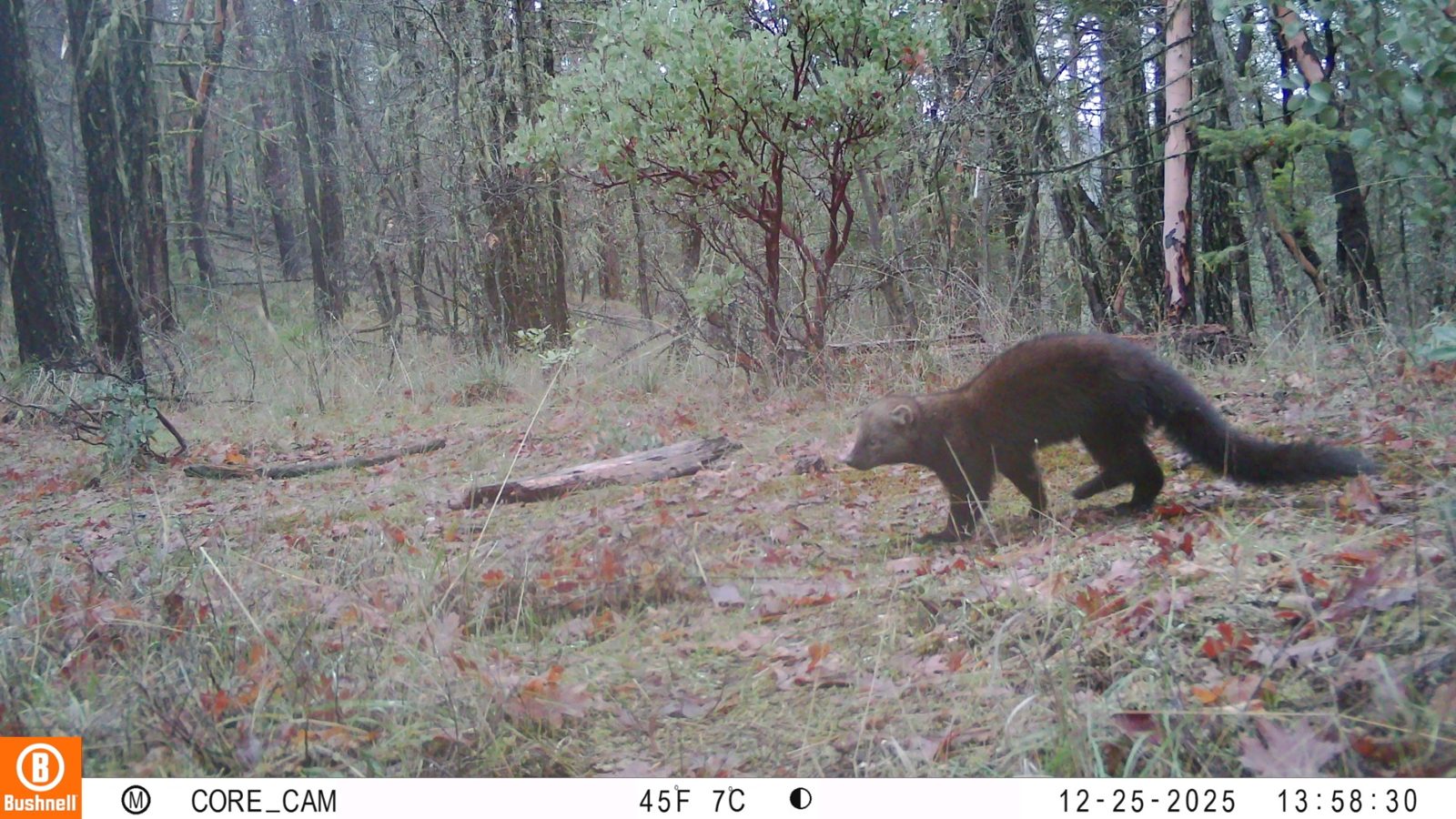
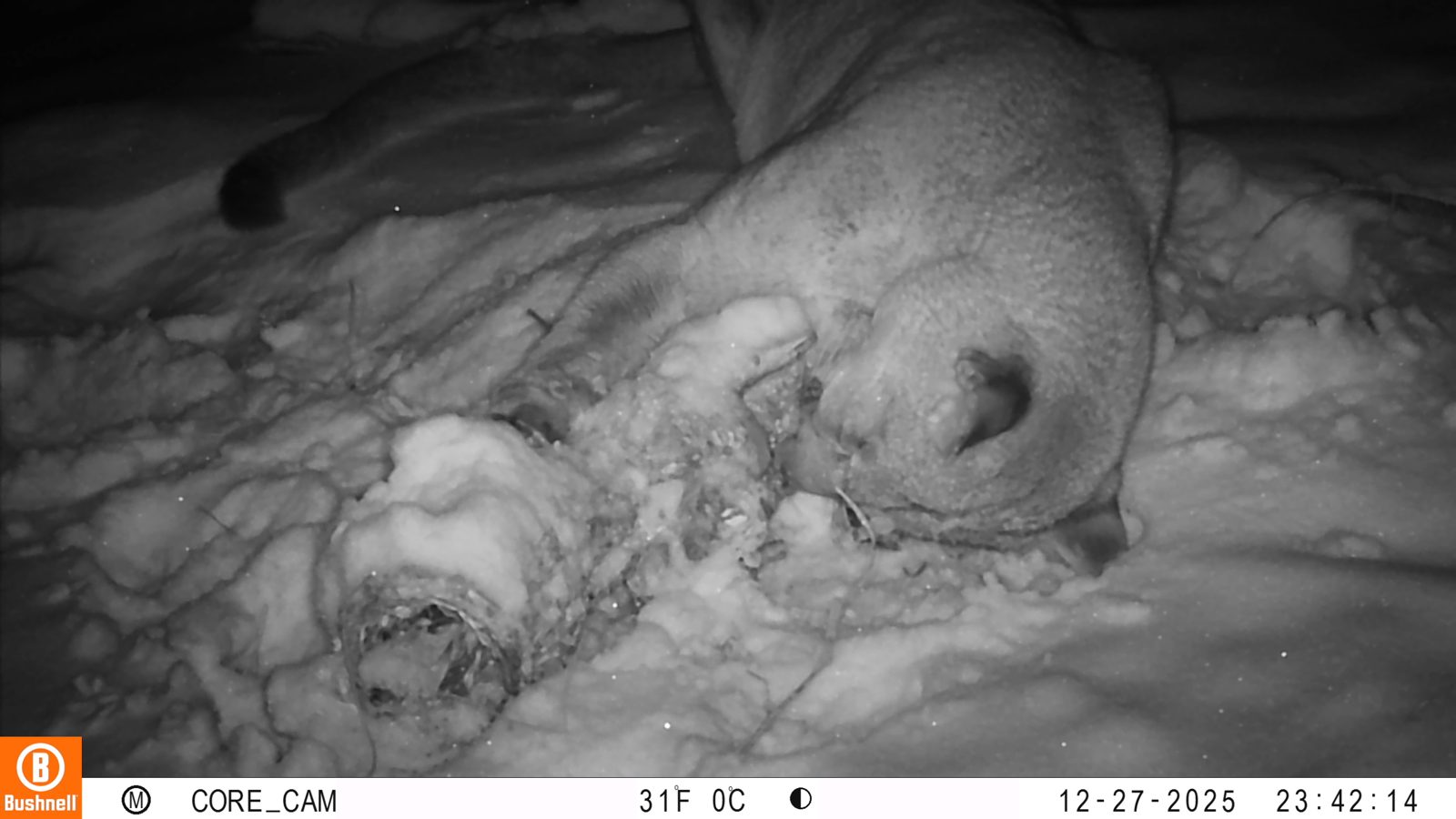
A year in the field is millions of images

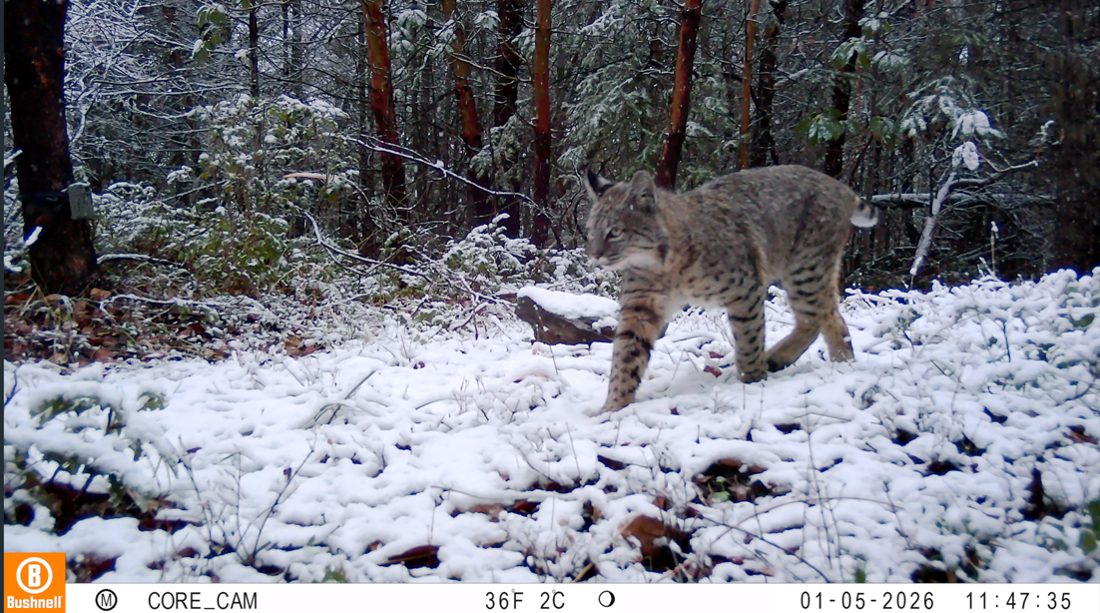
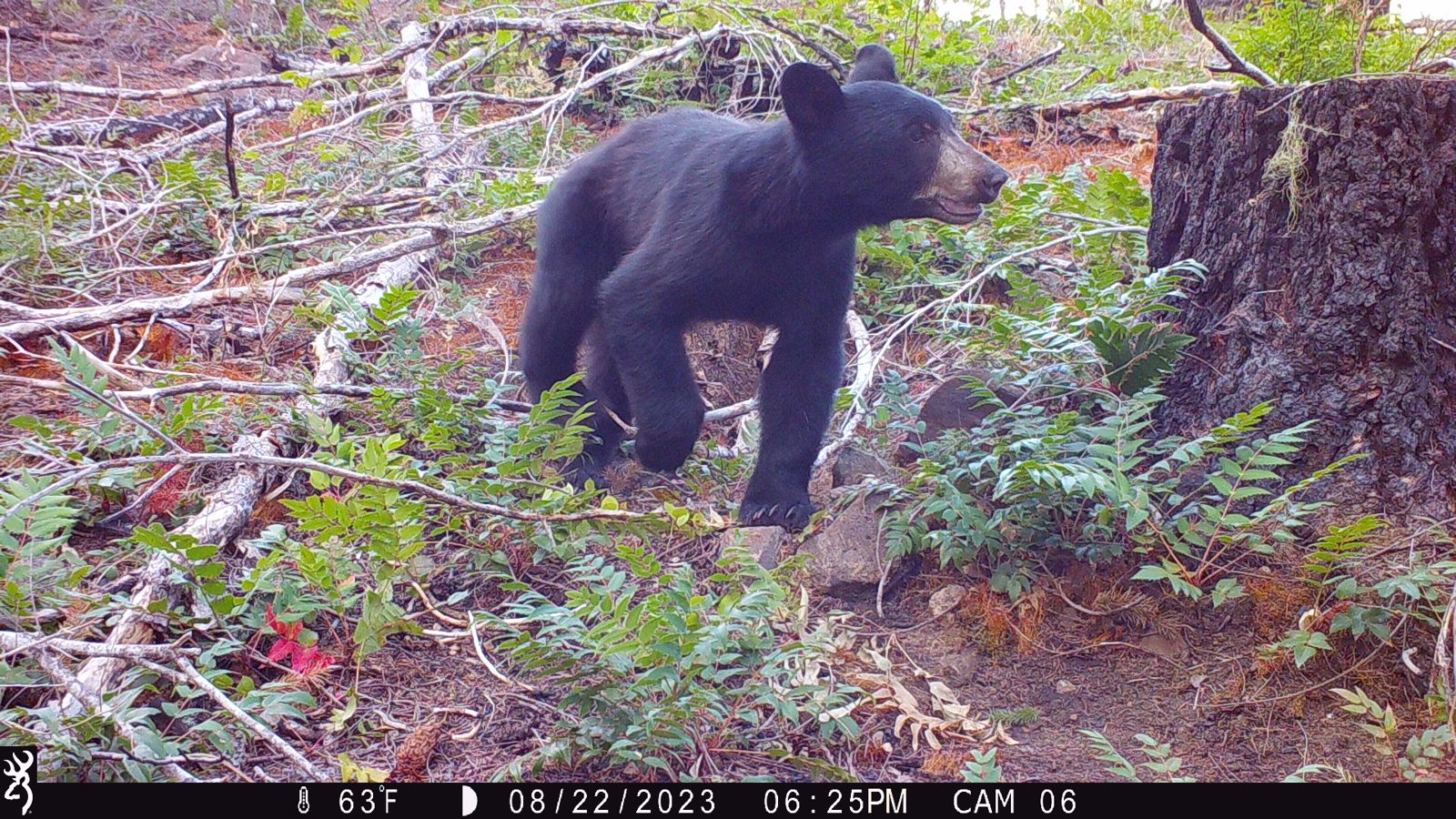
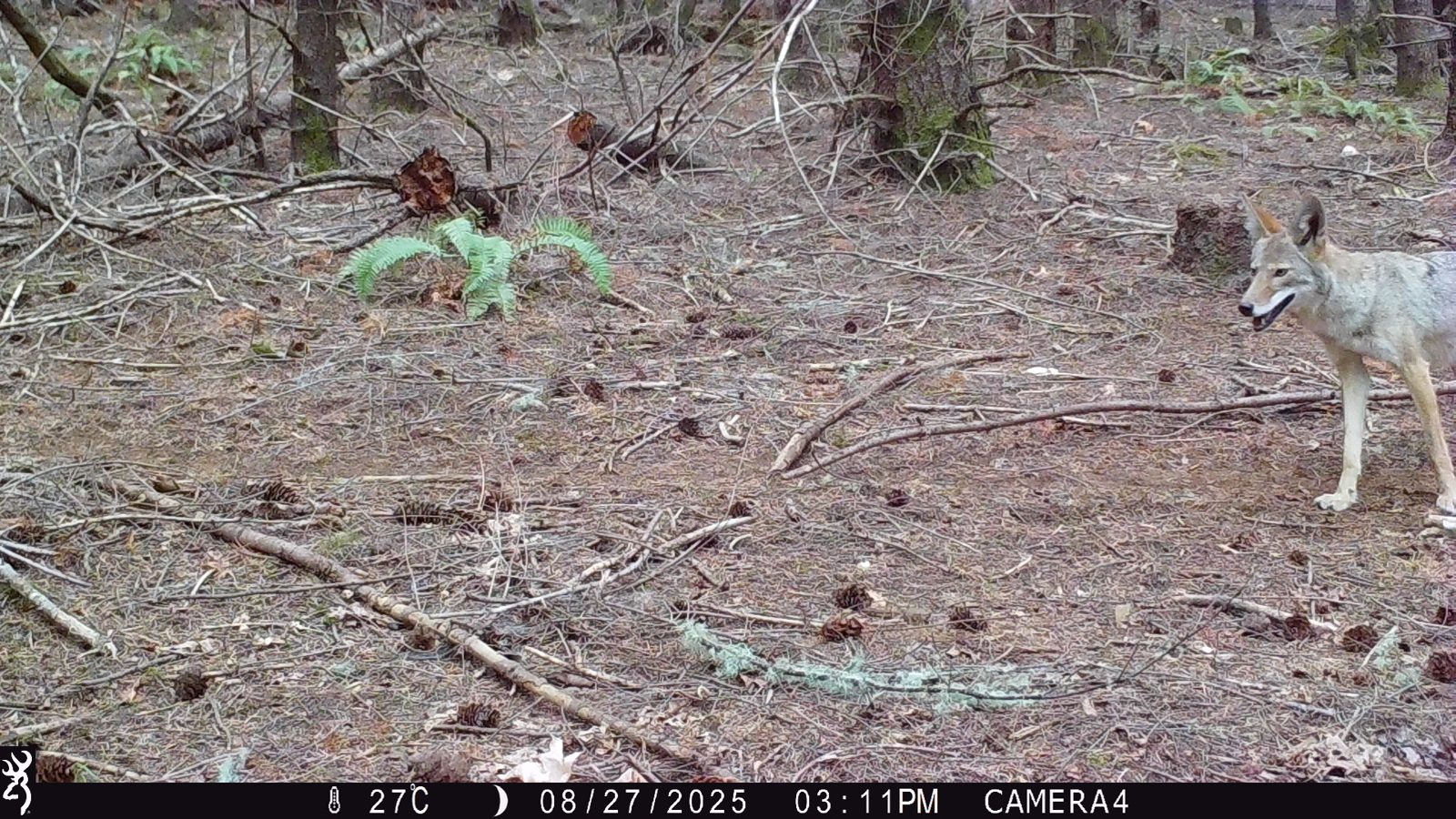
Our remote-camera grids and acoustic recorders run day and night across Oregon. These are a few of the animals that walked past.

7
Graduate-led field projects
30+
Peer-reviewed papers
Millions
Camera-trap images a year
100,000s
Hours of audio recorded a year
Where we work

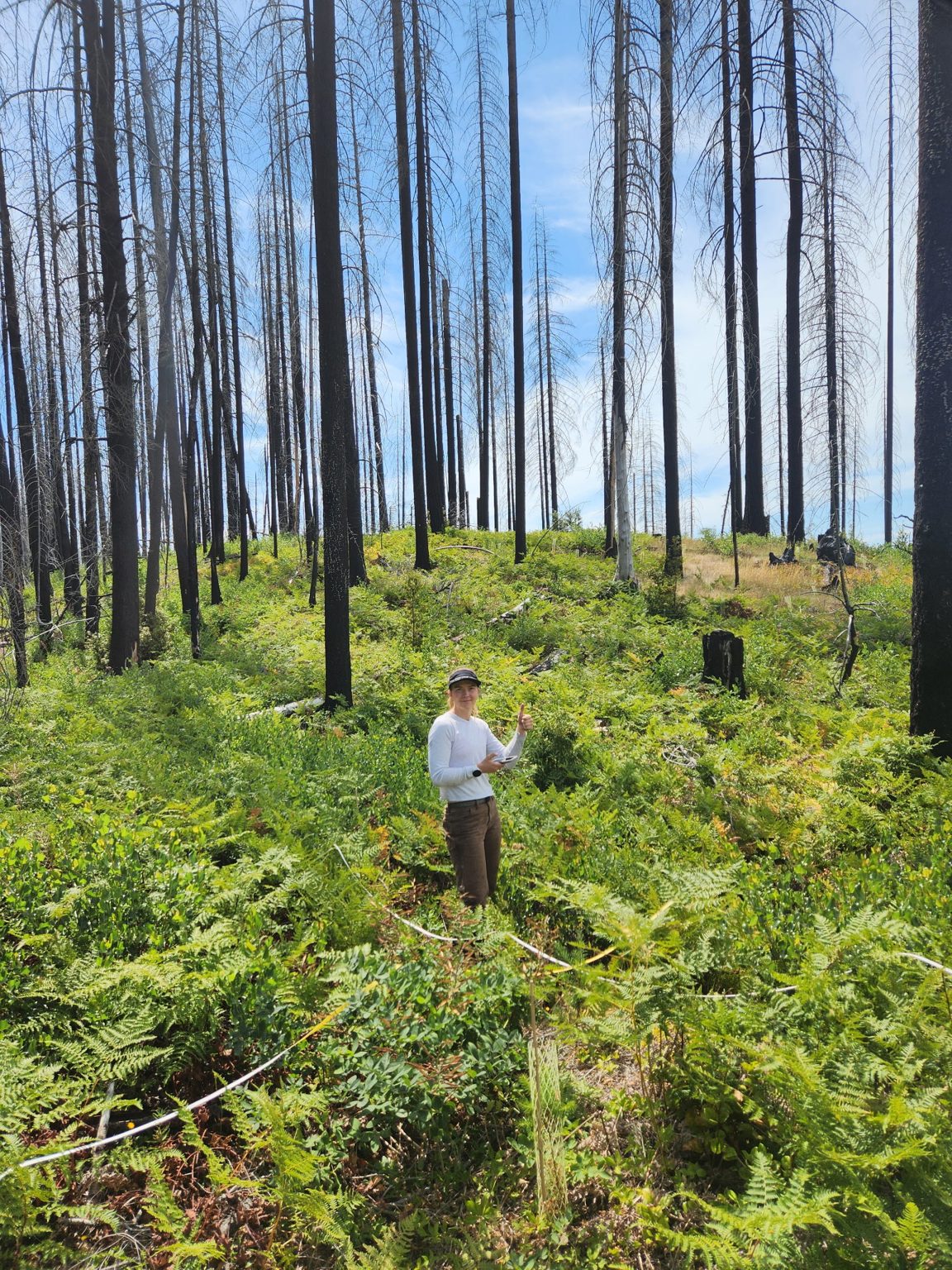
From the dunes to the burn scars

Oregon packs an unusual range of ecosystems into one state. Our field sites follow that gradient, and a few reach well beyond it.

Affiliation

A member of the Cascadia Wildlife Lab

We are part of the Cascadia Wildlife Lab, a collaborative research group based at Oregon State University that brings genomics, artificial intelligence, statistical modelling and field ecology together for evidence-based conservation.

Through Cascadia we work alongside colleagues at OSU, the USDA Forest Service and NCASI, and share genetics, AI and analysis capacity, from non-invasive DNA surveys to bioacoustics and camera-trap image recognition. Josh is part of the Cascadia Analysis Lab, which specialises in estimating density, distribution and movement from monitoring data.

Recent work

New from the lab

All publications
Work with us

Have a wildlife monitoring or management problem? Want to join the lab?

Our best projects start with a question an agency, grower group or forest manager needs answered. We also hire field technicians most years, and prospective graduate students are welcome to get in touch.